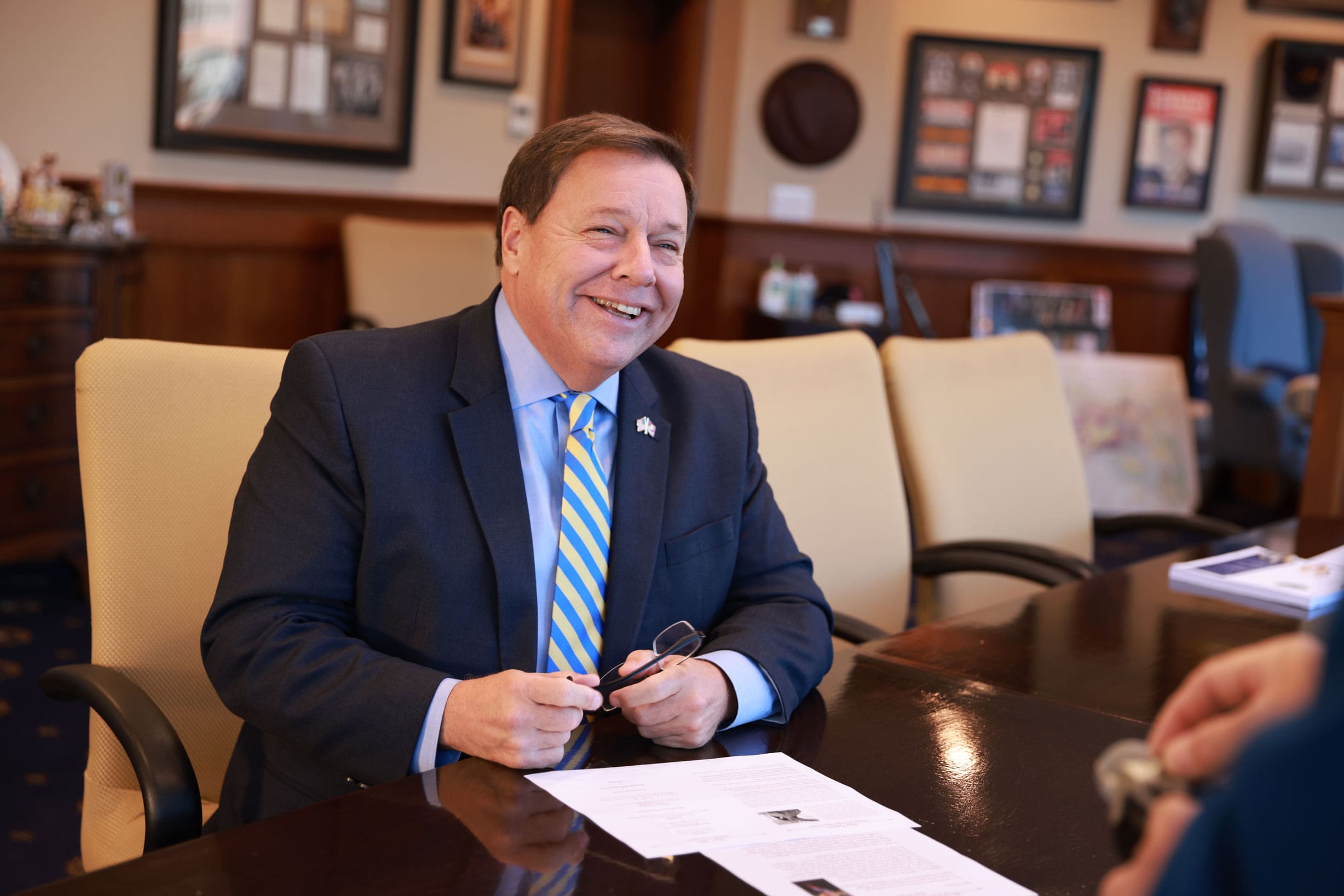
The City of Presidents marks its 400th anniversary this year. We sat down with Mayor Thomas Koch to talk about Quincy’s history and its plans for the big celebration, which includes parades, concerts, festivals, symposiums and much more.
By Dave Kindy
Photos by Lisa Aimola, City of Quincy

Q: Quincy is a city with a long heritage. What is its origin story?
A: Quincy dates back to 1625 with Merrymount as its first settlement. A little part of Quincy was included in Dorchester, then it became part of Braintree. In 1792, the town was carved out and named Quincy. In 1888, we became a city. The Massachusetts tribe summered here first because farming and seafood were terrific. In the 1600s, Colonel John Quincy – Abigail Adams’ grandfather and the city’s namesake – defended them from invading tribes that wanted to steal food.
Q: Quincy is known as the City of Presidents because of John Adams, John Quincy Adams and John Hancock, president of the Continental Congress. How important is that heritage?
A: John Adams and Abigail were probably the first powerhouse couple in the history of our nation. Look at the contributions made by John with Abigail by his side. He sought her advice and she freely gave it. Of course, John wrote the Massachusetts Constitution at his law office in Quincy, which became the basis for the U.S. Constitution. Then you throw John Hancock in the mix. He funded the American Revolution before Congress appropriated a nickel. John Quincy Adams was in a class all by himself. Most historians agree he had the highest IQ of any president. He was an incredible diplomat and wrote the Monroe Doctrine. Today, Quincy has the Adams National Historic Park, which includes Peacefield mansion and the birthplaces, as well as the crypts at United First Parish Church.
Q: What do you find most meaningful about being the Mayor of Quincy?
A: Obviously, we’re built on the shoulders of Adams and Hancock, but we’re so much more than that. One could call us the City of Entrepreneurs or City of Generals. The contributions made to this country by people from Quincy are numerous: business, shipbuilding, granite industry, military and more. General James McConville of the U.S. Army, who was Chief of Staff, hails from Quincy, as does General Joseph Dunford of the U.S. Marines.
Q: You mentioned Quincy as an industry leader. What are some of those firsts?
A: Howard Johnson’s and Dunkin Donuts got started here. So did Grossman’s, the largest lumber and building materials retailer in New England at one time. We also had Quincy Shipyard, where 32,000 people worked around the clock in World War II. Today, there’s Rob Hale, who started Granite Telecommunications and is a part-owner of the Boston Celtics and several Dunkin franchises. Quincy is also the home of the Granite Railway, the first commercial railroad in the country. In 1826, it was started to take granite from the quarry to the shore, where it was shipped for the Bunker Hill Monument and buildings everywhere.
Q: What are some of the events planned for Quincy’s 400th anniversary this year?
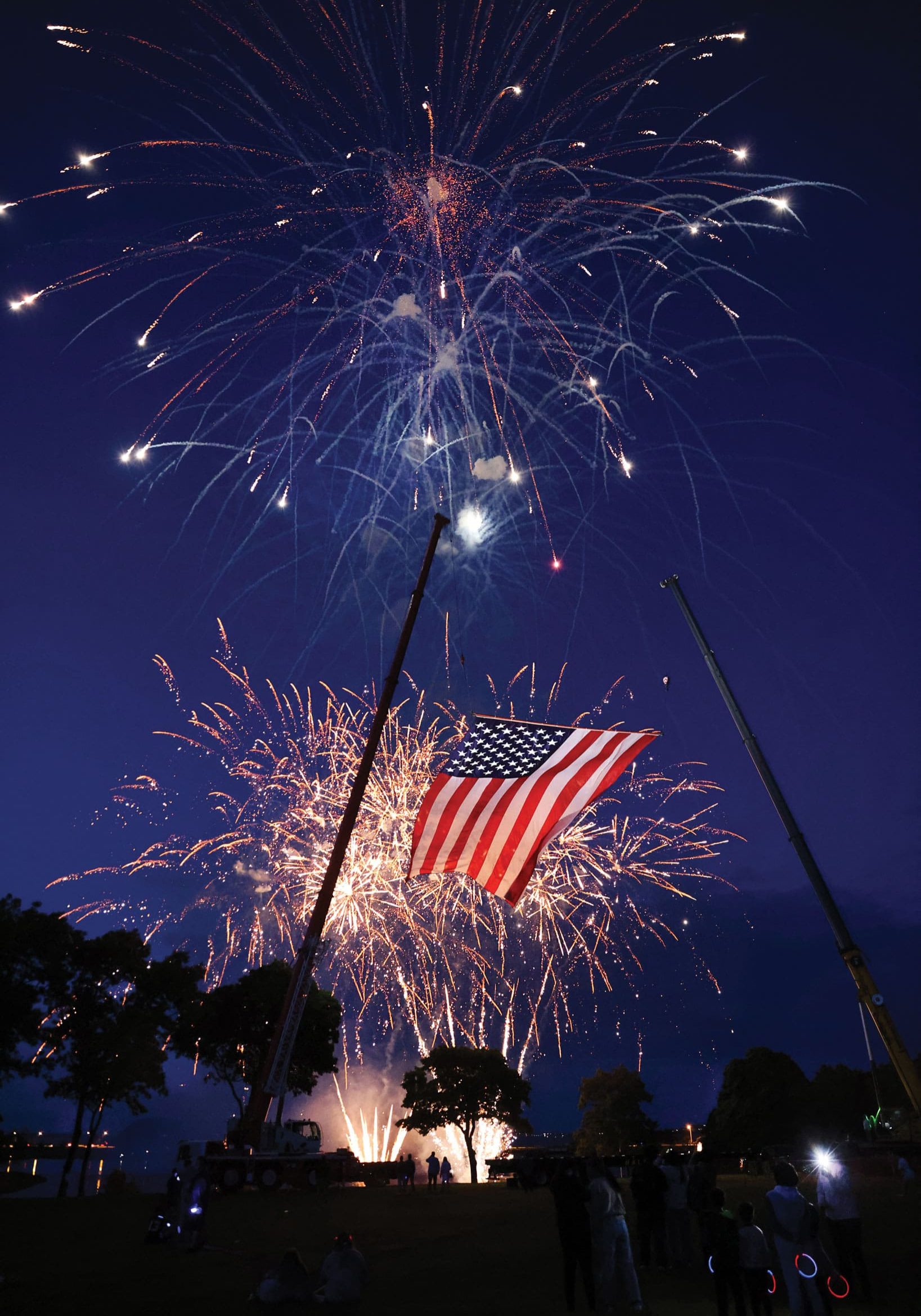
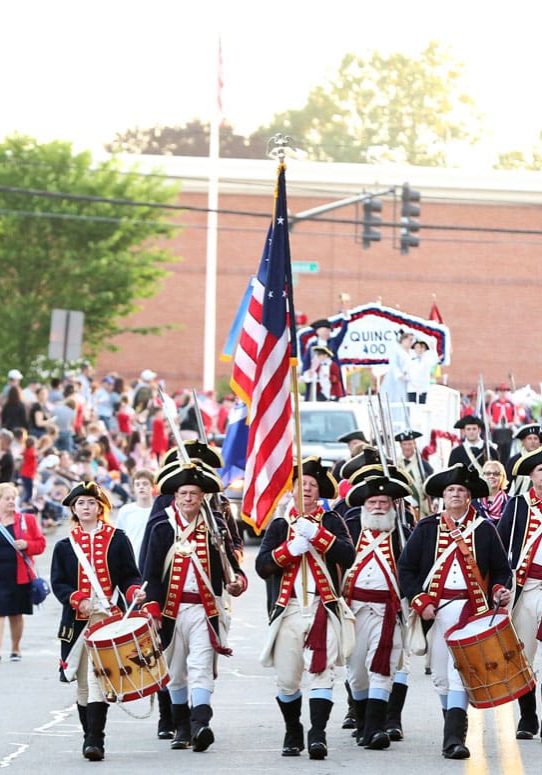
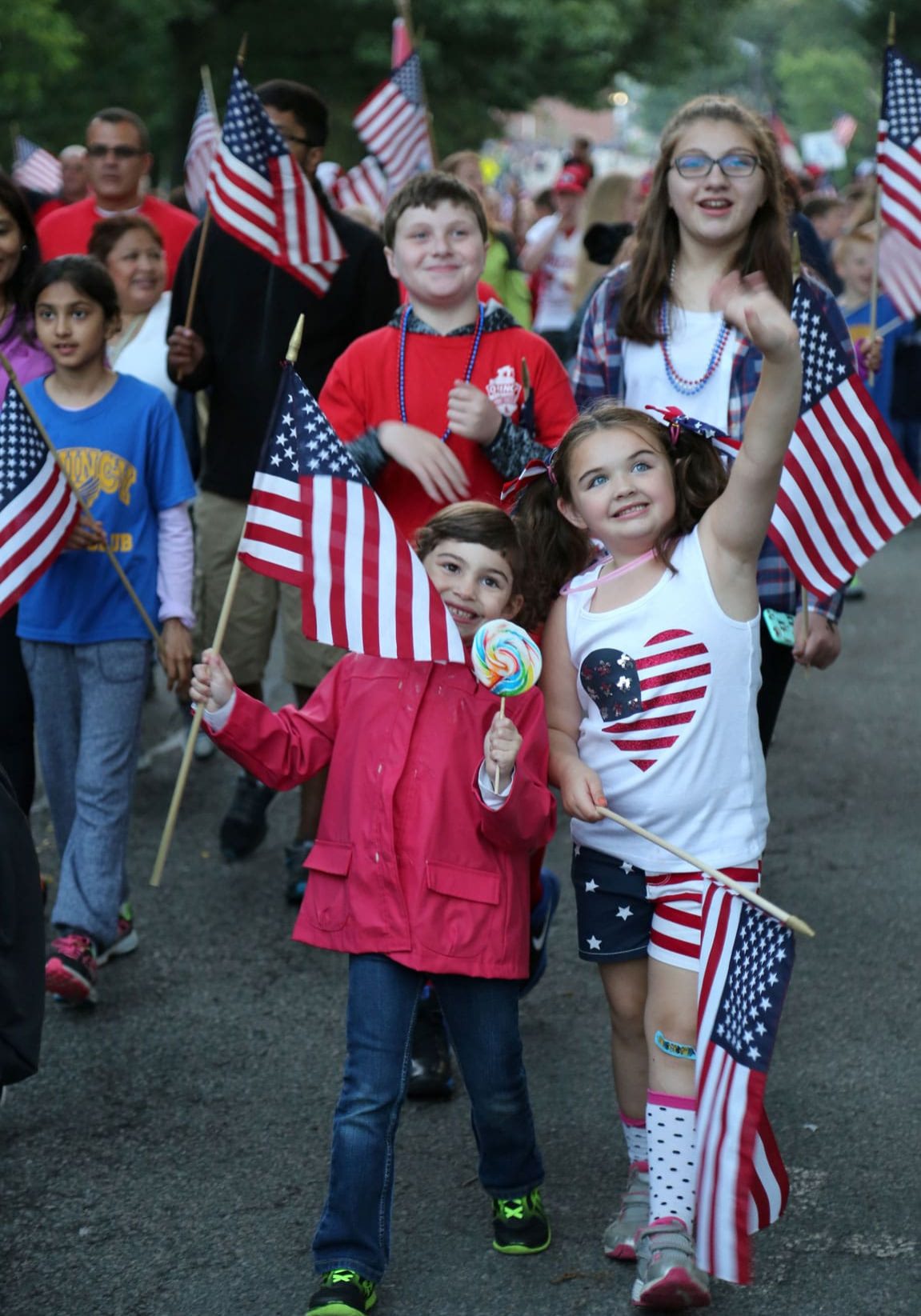
A: There’s a lot of things we do every year, but we’re doing them on steroids this year. We have concerts by Darius Rucker and John Fogerty planned for Veterans Memorial Stadium. The first big event is our annual Flag Day Parade. My dad started that in the 1950s and we’ve chosen it for the 400th parade on Saturday, June 14, at 6 p.m. We’ve got 12 or 13 bands, including drum and bugle, Marine Corps, Navy, Army and elite high school bands. There are also floats and historic flags, while the youth organizations are invited to march. It’s going to be fun!
Q: How did your father start the Flag Day Parade?
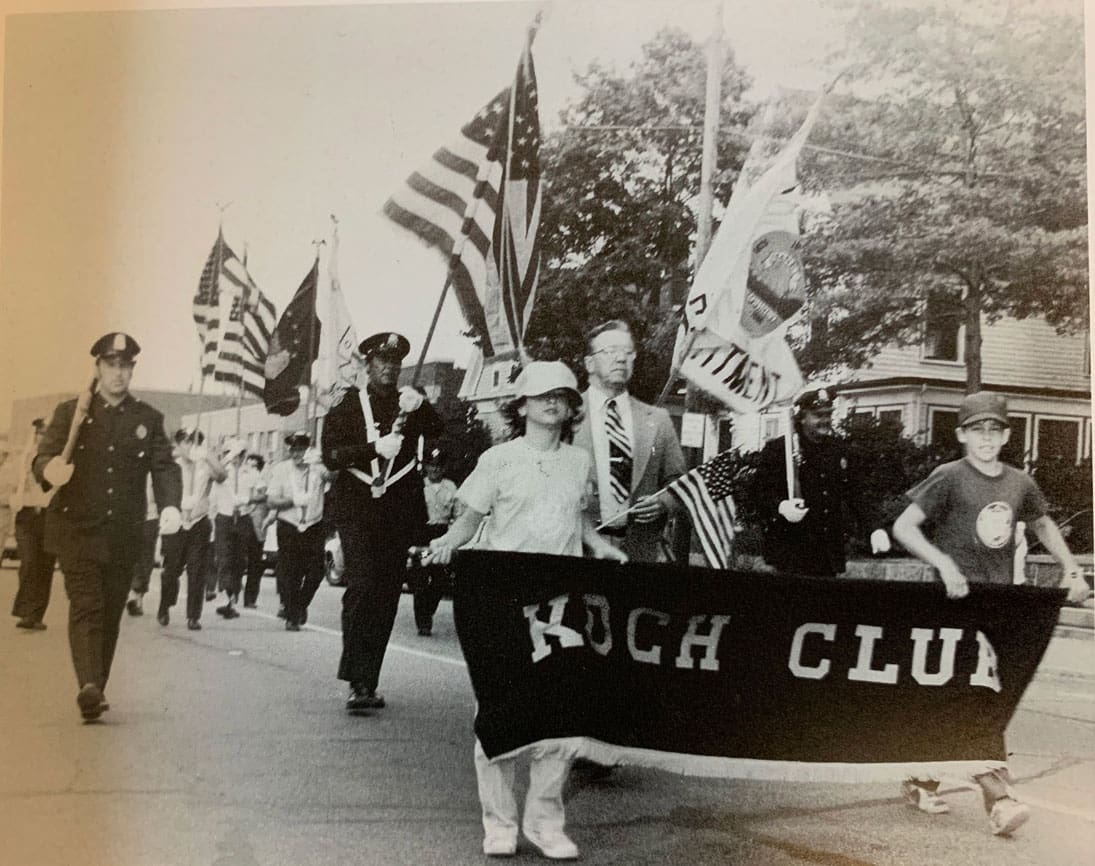
A: After World War II, Richard Koch wanted to do something for the kids. At the time, there was only Little League, and if you didn’t make the cut, you didn’t play. So he started boys baseball and my mother Simone started girls softball through the Koch Club. All the kids marched in the Flag Bay Parade, which he started. People still come up to me and talk about the fun they had in the Koch Club and the enjoyment of the parade.