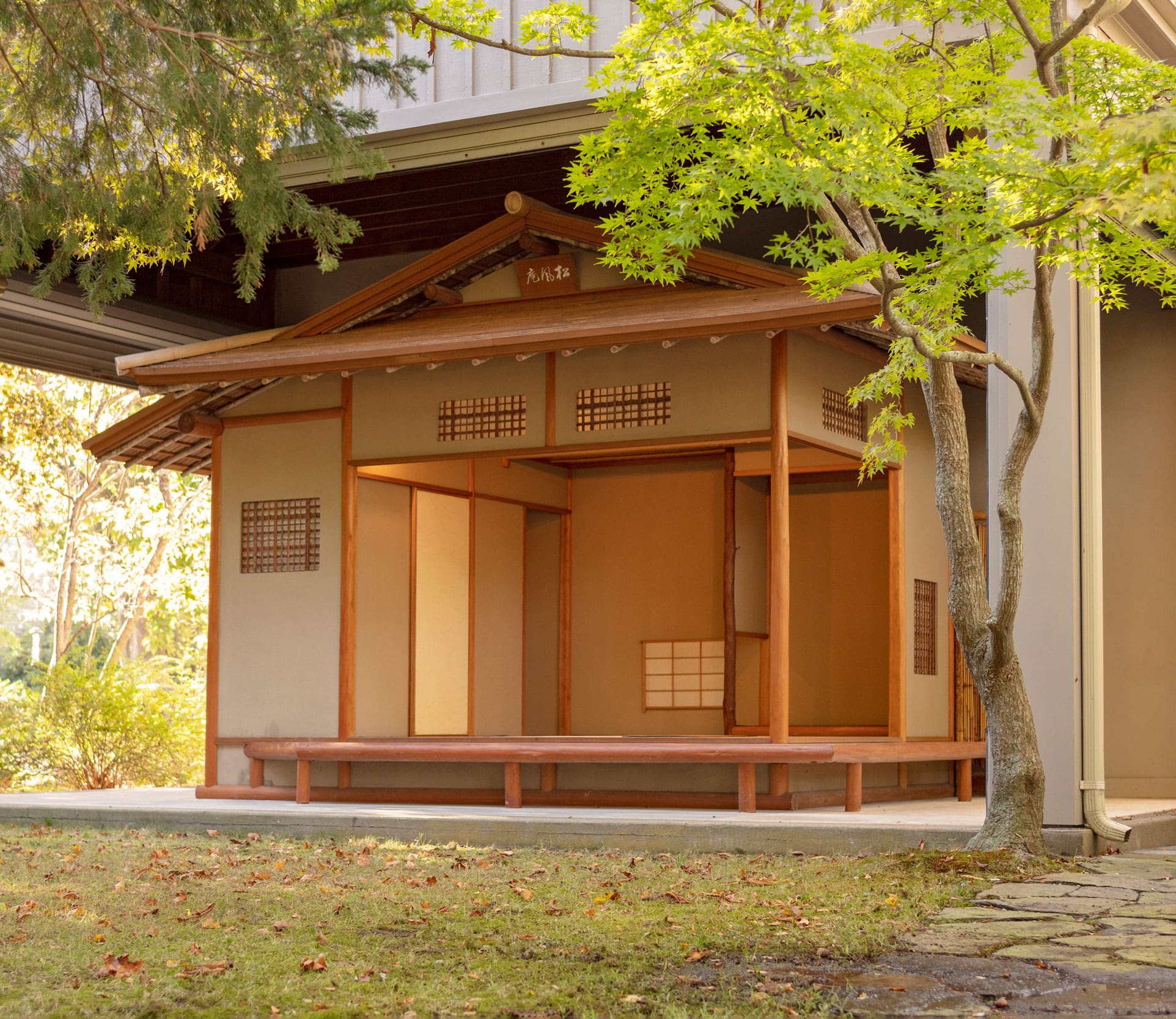
Celebrating the 50th Anniversary of Sho-fu-an Wind in the Pines Tea Hut at The Art Complex Museum in Duxbury.
By Sydney Hemmer Photo credit: John Polak Photography, Easthampton
The Art Complex Museum in Duxbury is a place where nature and art blend together. Visitors can stroll through the peaceful grounds, shaded by lush green trees, before stepping into the spacious galleries filled with interactive exhibits and artistic treasures.
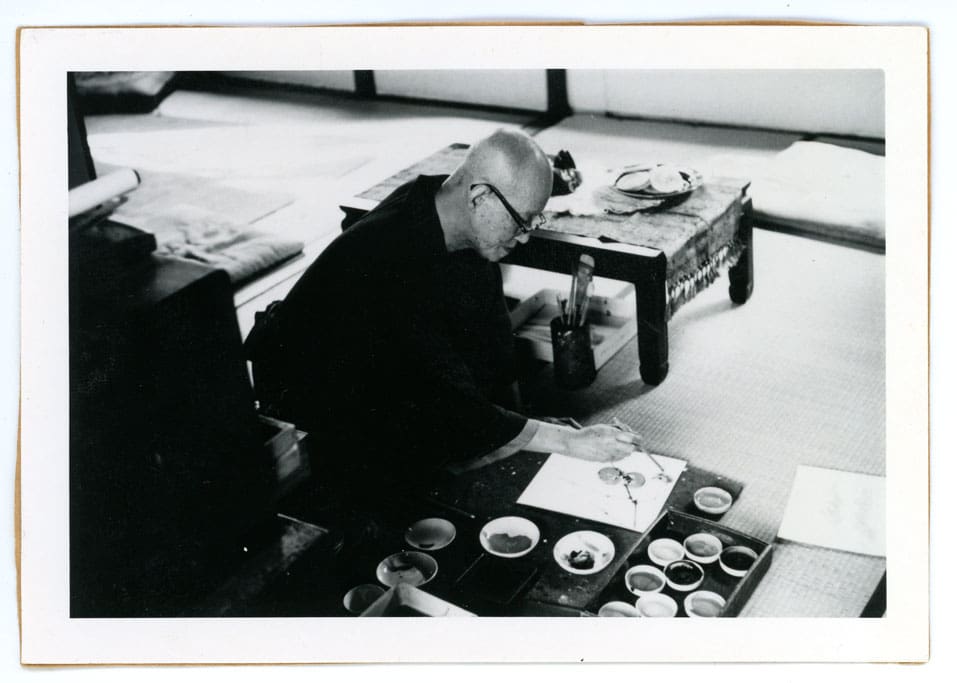
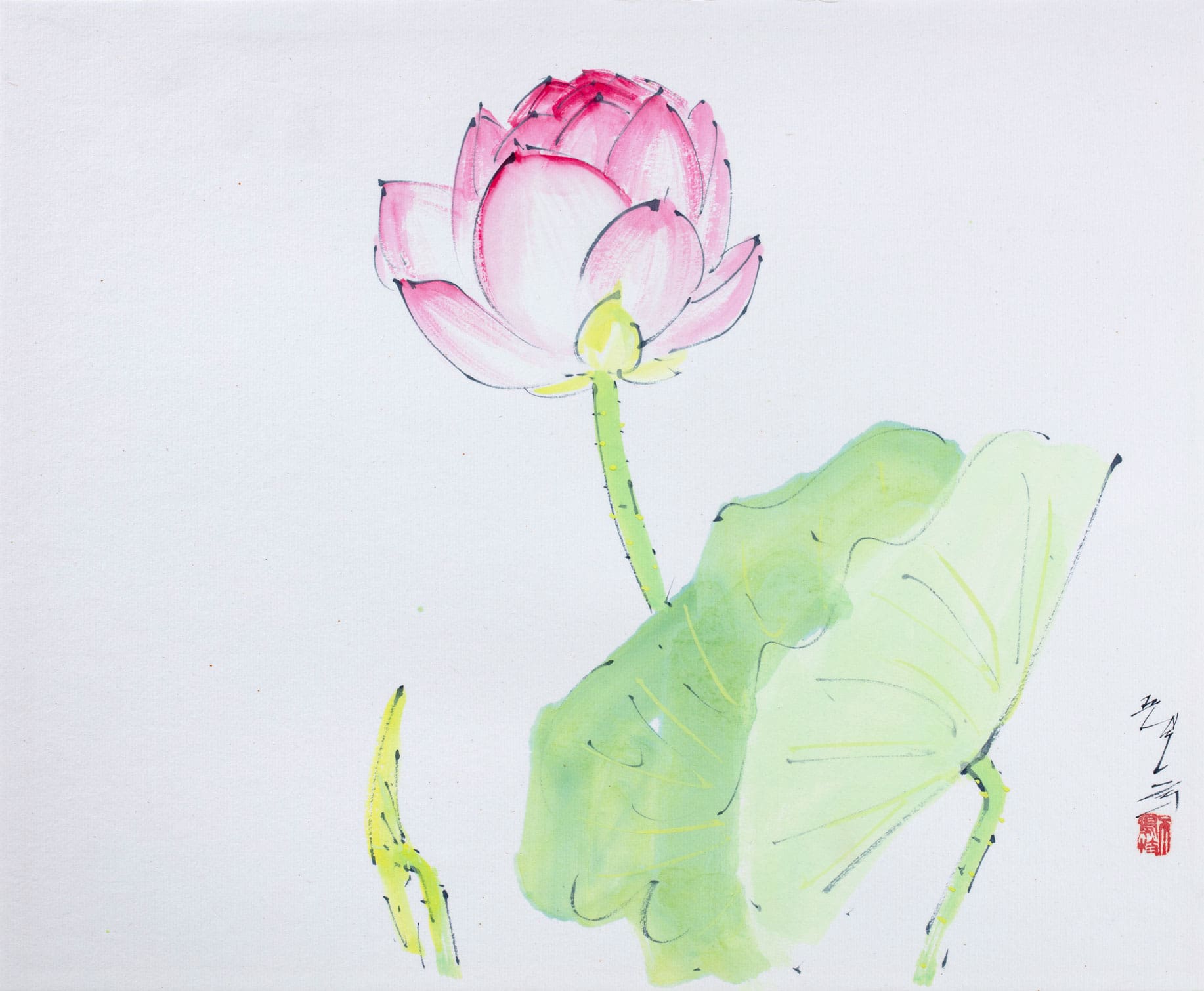
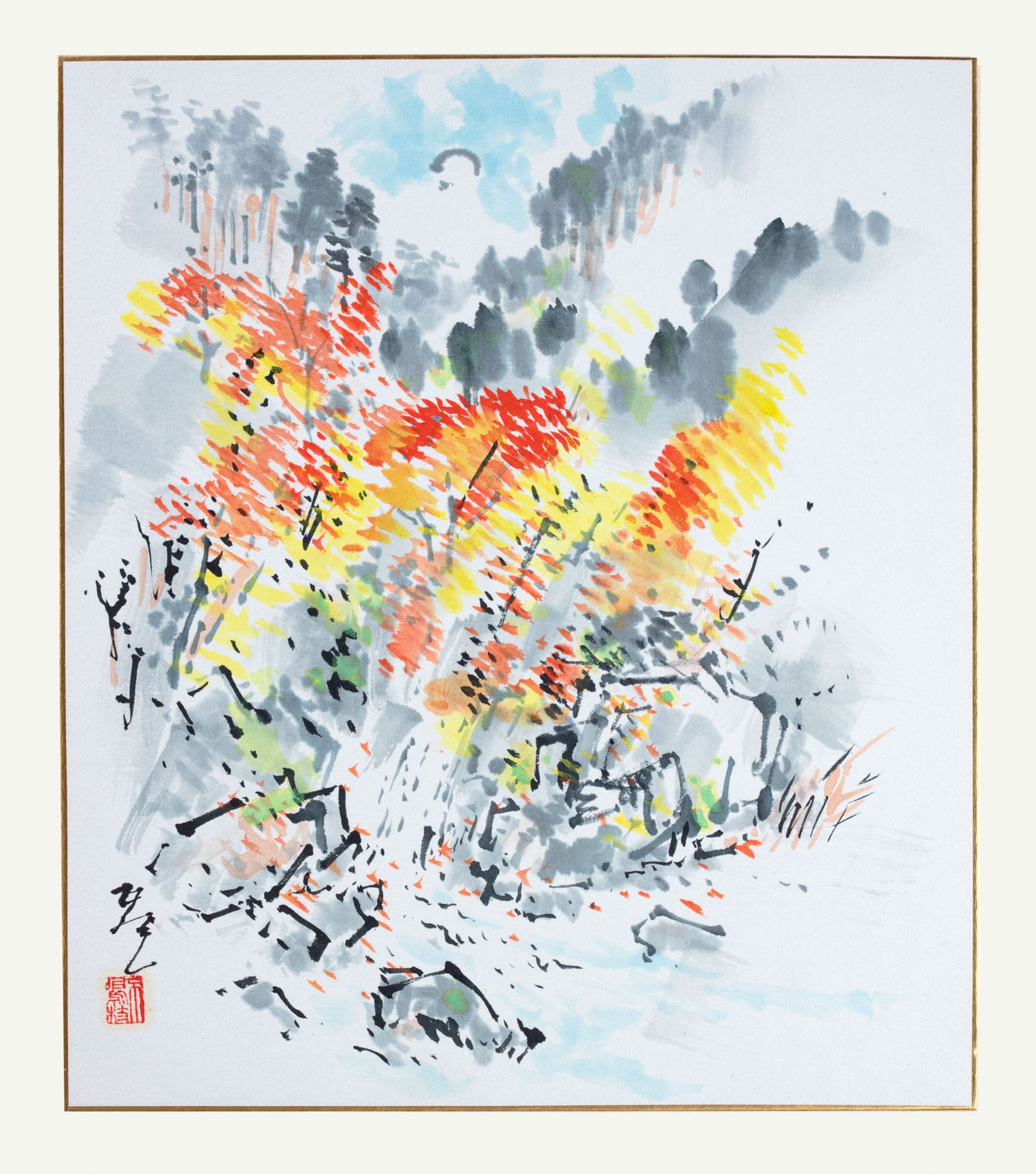
This summer, the museum is celebrating the 50th anniversary of its tea hut, Wind in the Pines (Shofuan), designed by Japanese artist Sano Gofu. The exhibit showcases Gofu’s work, including paintings, sketches and architectural designs including plans for the tea hut. Gofu also created painted fans, scrolls, screens and a variety of watercolors depicting botanicals and landscapes of Japan.
Gofu was a student of the famous nihonga painter Seihō Takeuchi, and graduated from the Kyoto Municipal Arts and Crafts College. He continued on to focus his practice on sumi-e, a Zen painting technique of nature using ink washes, an ink brush and watercolor paint. His work reflects his artistry, connection to nature and traditional Japanese culture.
The museum holds more than 70 pieces of Gofu’s artwork in its collection. Many of the works were gifts from the artist to the museum founders,
Carl and Edith Weyerhaeuser. The Weyerhaeusers developed a special friendship with Gofu while building the museum’s Asian art collection, which now has over 8,000 works. Kojiro Tomita, Curator of Asian Arts for the Museum of Fine Arts Boston, and a childhood friend of Gofu, introduced the couple to the artist.
During a visit to Japan in 1966, the Weyerhaesers became infatuated with the Japanese tea ceremony and the architecture of tea huts, particularly the natural materials from which it is constructed. To bring the experience to Duxbury, Gofu designed Wind in the Pines (Shofuan) to give museum visitors an authentic glimpse of Japanese culture and first-hand experience of a tea ceremony (Chado). His design of the tea hut features an open front for the purpose of public demonstrations.
The materials to build the tea hut were shipped to Duxbury from Kyoto, Japan, and it was installed on the museum grounds in 1975. The tea hut remains a serene focal point of the museum and a lasting example of Gofu’s architectural history.
As part of the celebration, the museum welcomes visitors to experience an authentic Japanese tea ceremony inside Wind in the Pines (Shofuan) on June 29 and July 27. This ritual, known as “chanoyu,” blends formality and spiritual beauty in a traditional setting that includes the tea hut and surrounding tea garden, designed to guide guests toward a deeper connection with nature. The ceremony begins at 2 p.m. and admission is free on a first-come, first-served basis.
“Celebrating Sano Gofu” is on view through Aug. 31 at The Art Complex Museum in Duxbury. For more information, visit artcomplex.org.